1. Safety and scope
The team explains what it can handle and which parts, like testing a site where drugs were made, need a different plan.
Wellsville, KS · Franklin County
Property managers in Wellsville find syringes, burnt foil and stained surfaces during move-out walks. Call (877) 812-4220 for a calm, private cleanup that clears the unit for the next tenant.
If anyone is in danger, call 911 first. For a suicide crisis, call or text 988.
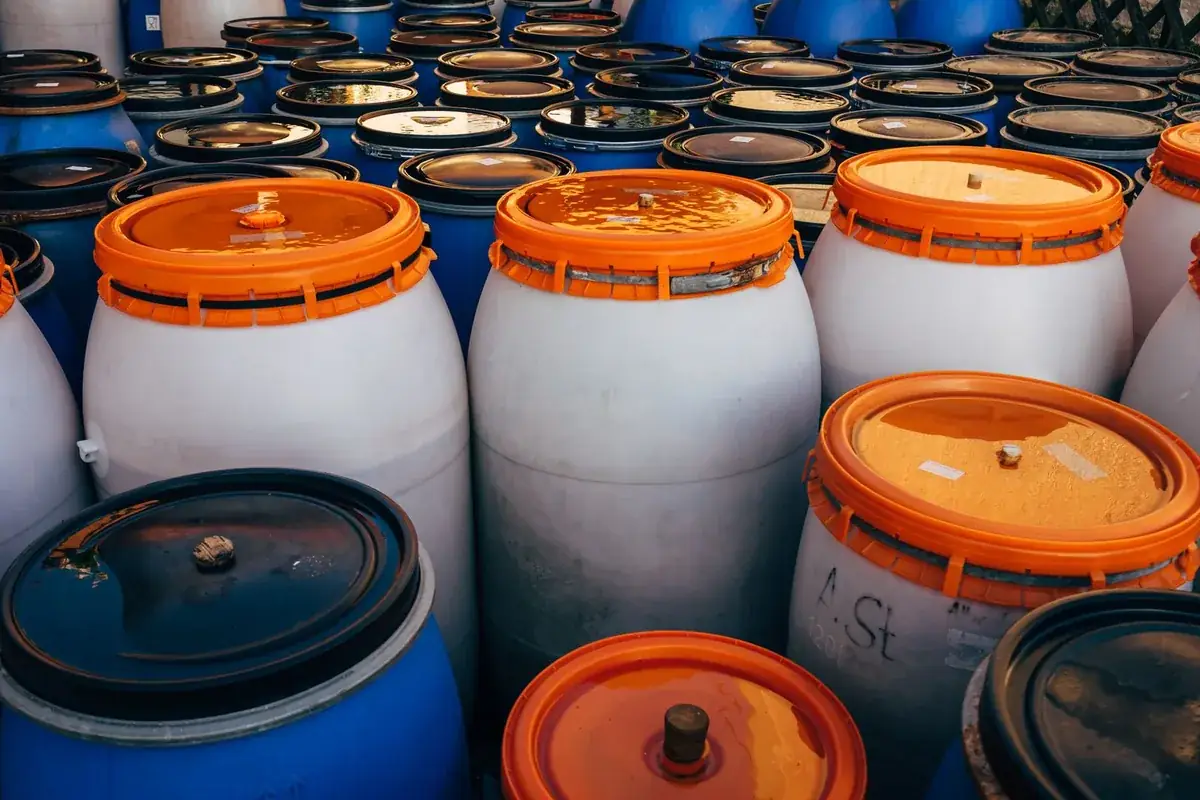
Drug use cleanup is different from drug lab cleanup. It focuses on items and residue left by use, while a site where drugs were made has its own testing and clearance steps.
Families in Wellsville and Franklin County who need help after a loved one's crisis can call Wellsville Biohazard Cleanup Help. Crews clear the room calmly and quietly and can arrive in an unmarked vehicle if privacy matters to you.
Most homes in Franklin County are owner occupied, with renters at only about 28% of households, so many calls come from families clearing a home or room. Tell the doctor where the exposure happened. Miami County Medical Center, about 15 miles from Wellsville, can evaluate people who may have been exposed.
The work often covers:
The team explains what it can handle and which parts, like testing a site where drugs were made, need a different plan.
Cleanup technicians use puncture-resistant gloves and tools. Unknown powders are never swept or vacuumed dry.
Contaminated materials are bagged and carried out. Rebuilding or replacing them can wait until the space is clean.
Waste leaves the property, and the owner can ask for a summary of what was removed and cleaned.
The cost of drug paraphernalia cleanup in Wellsville, KS depends on the amount of material, how it is packed and how it is hauled.
A site where drugs were manufactured needs testing and a different plan. If that applies, the scope and price are different from standard paraphernalia cleanup.
| Type of job | Typical range |
|---|
These ranges come from published cost guides () and are not a quote for Wellsville. Price drivers include amount of material, whether residue is present, surfaces affected, waste disposal. For a real number, call (877) 812-4220.
No. A good team asks only what it needs to plan the work, and you decide what to share. If privacy matters, ask about discreet, unmarked arrival when you call. Teams differ, so ask how the call and the visit are handled.
The owner of the property usually pays at first. Lease terms and local law decide who is responsible in the end. A landlord, an attorney or a tenant rights group can say. Keep any record the cleanup team gives you, since a landlord or insurer may ask for it.
Crews wear protective gear, remove sharps and loose items, and then clean hard surfaces with EPA-registered disinfectants. Porous materials such as carpet, padding or upholstery that took in residue may be removed. The team can explain what applies to your space.
It is safer not to. You often cannot tell what an item or residue is, and hidden sharps are a risk. Do not mix cleaning products. A cleanup team has the protective gear and containers to do it safely, without judgment.
Yes. A property owner can call a cleanup team to clear and clean a unit after a tenant leaves. Lease terms and local law decide who pays. Keep photos and records, and ask the team what documentation it can provide.
Standard paraphernalia cleanup is about removal, cleaning and disinfection. Testing is a separate step, usually tied to a site where drugs were made. Ask the team and the local health department what testing, if any, applies to your property.
One call can start the cleanup of a room, a rental unit or a whole home.
Call (877) 812-4220